How To Grow Blue Hydrangeas In Pots
How to Grow Blue Hydrangeas in Pots
Hydrangeas are beautiful flowering shrubs that can be grown in a variety of settings, including in pots. If you're looking to add some color to your patio or deck, blue hydrangeas are a great option. With proper care, they can thrive in containers for many years.
In this blog post, we will discuss the basics of growing blue hydrangeas in pots. We will cover topics such as choosing the right pot, potting mix, and fertilizer, as well as watering, sunlight, and pruning. We will also provide some tips on how to get the bluest blooms possible.
Choosing the Right Pot
The size of the pot is important for growing blue hydrangeas. The pot should be at least 18 inches in diameter and have drainage holes in the bottom. If you live in a warm climate, you may want to choose a pot that is made of a material that will help to keep the roots cool, such as terracotta.
The type of potting mix you use is also important. Blue hydrangeas prefer a soil that is slightly acidic. You can buy a potting mix that is specifically designed for hydrangeas, or you can make your own by mixing equal parts peat moss, perlite, and garden soil.
Planting
When planting your blue hydrangea, it is important to plant it at the same depth that it was growing in its previous pot. Water the plant thoroughly after planting.
Watering
Blue hydrangeas need to be watered regularly, especially during hot weather. The soil should be kept moist, but not soggy. You may need to water your plant daily during hot, dry weather.
Sunlight
Blue hydrangeas prefer to grow in partial shade. Too much direct sunlight can cause the leaves to scorch. If you live in a hot climate, you may want to place your plant in a spot that receives morning sun and afternoon shade.
Fertilizer
Blue hydrangeas should be fertilized once a month during the growing season. Use a fertilizer that is specifically designed for hydrangeas.
Pruning
Blue hydrangeas can be pruned in the late fall or early spring. You can prune them to shape them or to remove dead or diseased branches.
Getting the Bluest Blooms
The color of blue hydrangea blooms is affected by the acidity of the soil. If you want your blooms to be as blue as possible, you will need to add an acidic amendment to the soil. You can use sulfur, aluminum sulfate, or pine needles.
You can also add a fertilizer that contains aluminum sulfate. This will help to keep the soil acidic and encourage blue blooms.
With proper care, blue hydrangeas can thrive in pots for many years. By following the tips in this blog post, you can enjoy beautiful blue blooms for years to come.
Do you love the look of blue hydrangeas, but don't have a lot of space? Growing blue hydrangeas in pots is a great way to enjoy these beautiful flowers without having to worry about digging up a big space in your yard.
There are a few things you need to know to successfully grow blue hydrangeas in pots. First, you'll need to choose a pot that is at least 18 inches in diameter and has drainage holes. The soil you use should be a good quality potting mix that is specifically designed for acid-loving plants.
Once you've chosen your pot and soil, you're ready to plant your hydrangea. Choose a plant that is at least 1 gallon in size and plant it at the same depth it was growing in its original pot. Water your hydrangea thoroughly after planting and place it in a spot that receives partial to full sun.
Blue hydrangeas need regular watering, especially during the hot summer months. You'll also need to fertilize your hydrangeas every few months with a fertilizer specifically designed for acid-loving plants.
With a little care and attention, you can enjoy beautiful blue hydrangeas in your home for years to come. For more information about growing blue hydrangeas in pots, please visit .
FAQ of blue hydrangea in pots
- What colors do potted hydrangeas come in?
Potted hydrangeas can come in a variety of colors, including blue, pink, purple, and white. The color of the blooms is determined by the pH level of the soil. In acidic soil (pH below 6.0), hydrangeas will bloom blue. In alkaline soil (pH above 7.0), hydrangeas will bloom pink. In neutral soil (pH between 6.0 and 7.0), hydrangeas may bloom purple or bluish-pink.
- How do I get my blue hydrangea to bloom blue?
If you want your blue hydrangea to bloom blue, you need to make sure the soil is acidic. You can do this by adding peat moss, pine bark, or aluminum sulfate to the soil. You can also test the pH of the soil using a pH testing kit.
- Why is my hydrangea in a container not blooming?
There are a few reasons why your hydrangea in a container might not be blooming. One possibility is that the plant is not getting enough sunlight. Hydrangeas need at least 6 hours of sunlight per day. Another possibility is that the plant is not getting enough water. Hydrangeas need to be watered regularly, especially during hot, dry weather. Finally, the plant may not be getting enough fertilizer. Hydrangeas need a balanced fertilizer, such as a 10-10-10 fertilizer, applied every few weeks during the growing season.
- How big of a pot do I need for a blue hydrangea?
The size of the pot you need for a blue hydrangea depends on the size of the plant. A small plant can be grown in a 10-gallon pot, while a larger plant may need a 15- or 20-gallon pot. It is important to choose a pot that is the right size for the plant, as a pot that is too small will not allow the plant to grow properly.
- How do I winterize my blue hydrangea in a pot?
If you live in an area with cold winters, you will need to winterize your blue hydrangea in a pot. To do this, move the plant to a sheltered location, such as a garage or basement. Water the plant sparingly during the winter months. In the spring, when the weather warms up, you can move the plant back outdoors.
Image of blue hydrangea in pots
- A large blue hydrangea in a white pot, sitting on a patio. The hydrangea is in full bloom, with large, round clusters of flowers. The leaves are a deep green.
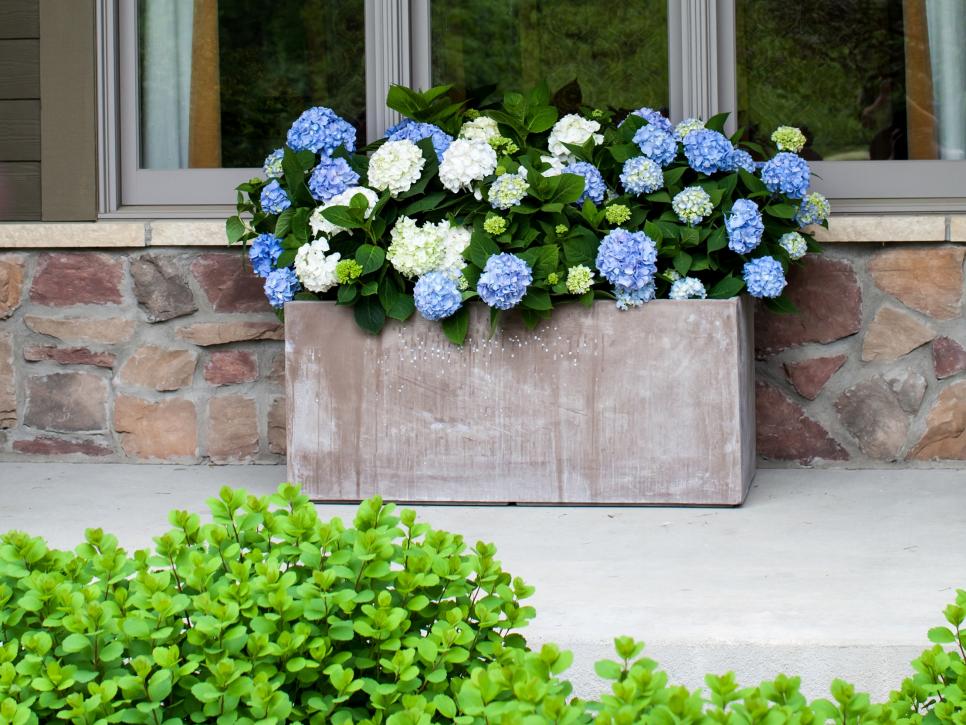
- A group of three blue hydrangeas in different sized pots, sitting on a windowsill. The hydrangeas are all in full bloom, with different shades of blue flowers. The leaves are a deep green.
- A single blue hydrangea in a hanging pot, suspended from a porch railing. The hydrangea is in full bloom, with large, round clusters of flowers. The leaves are a deep green.
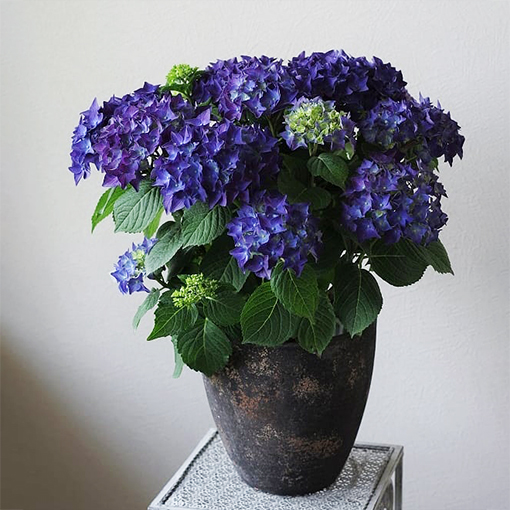
- A blue hydrangea in a terracotta pot, sitting on a garden table. The hydrangea is in full bloom, with large, round clusters of flowers. The leaves are a deep green.
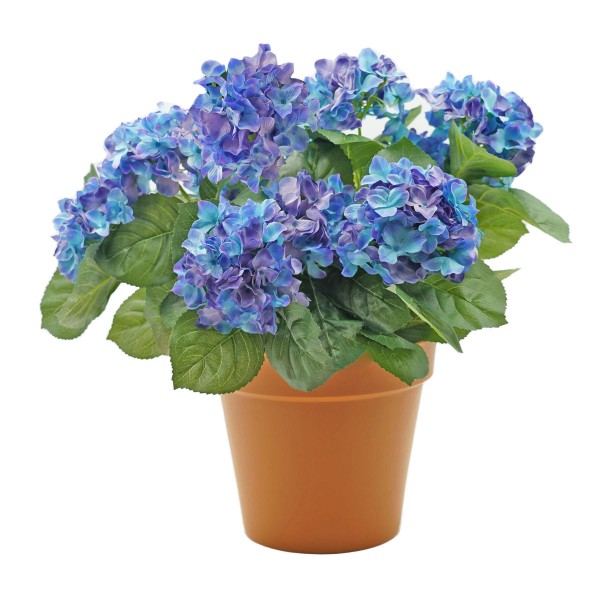
- A group of blue hydrangeas in different sized pots, arranged in a row on a patio. The hydrangeas are all in full bloom, with different shades of blue flowers. The leaves are a deep green.


Post a Comment for "How To Grow Blue Hydrangeas In Pots"